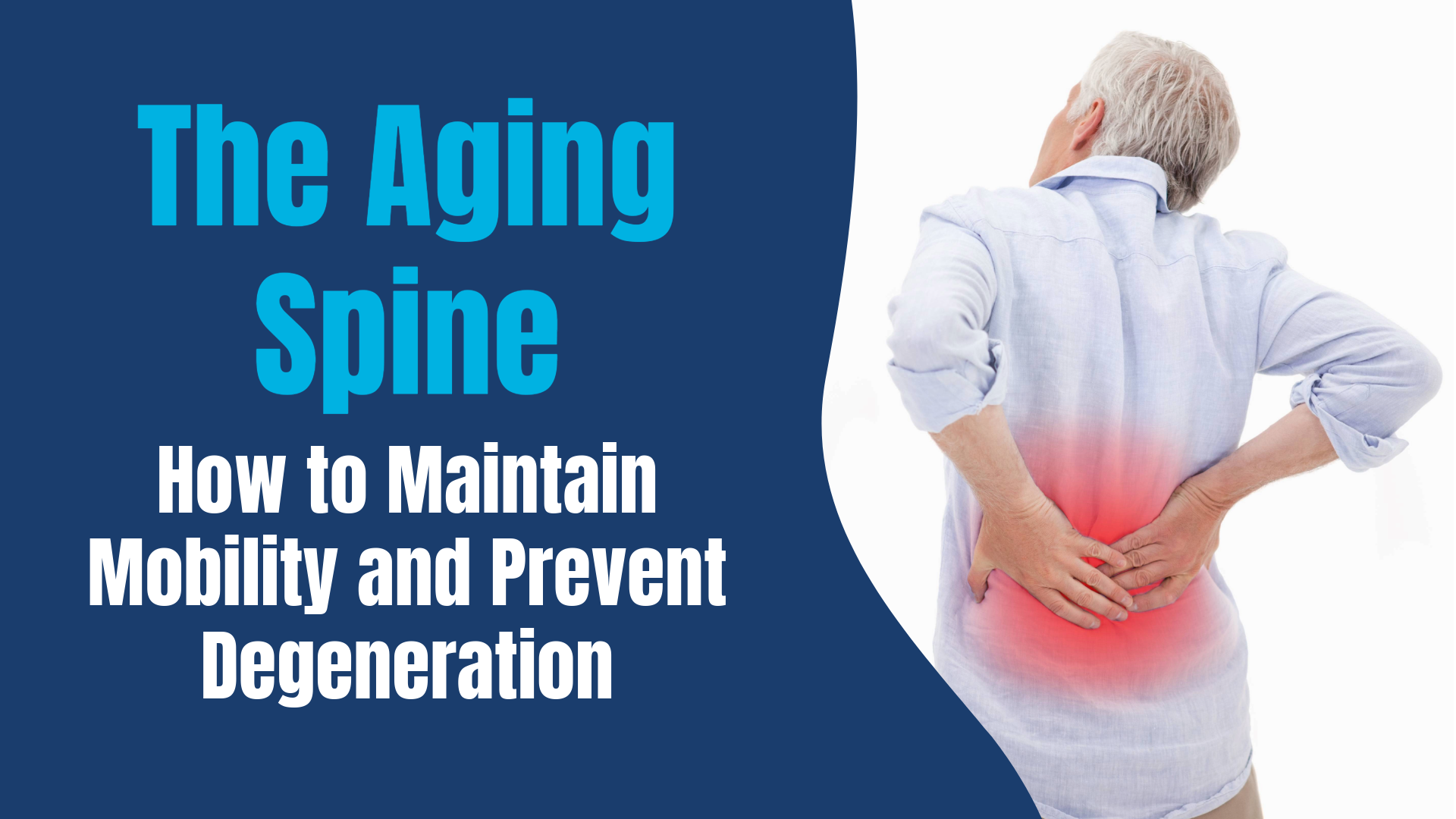
Back pain has emerged as one of the most common health complaints worldwide, affecting 50% to 84% of the global population at some point in life. In India, nearly 60% of individuals report experiencing back pain, cutting across age groups and lifestyles.
In most cases, back pain stems from minor sprains of muscles or ligaments—often resolving within a week with rest and basic care. However, the body sometimes uses back pain as an alarm to signal more serious underlying issues.
When to Take Back Pain Seriously
Certain symptoms should never be ignored:
- Pain that worsens at night or interrupts sleep
- Morning stiffness lasting over 30 minutes
- Radiating pain to one or both legs
- Gradual weakness in the limbs
- History of trauma
- Associated symptoms like fever, joint swelling, chronic cough, or unexplained weight loss
- Pain lasting more than a month
These could indicate conditions that require timely medical evaluation.
Common Causes of Back Pain
While most back pain cases are due to simple muscular issues, several conditions may be responsible:
- Degenerative changes (spondylosis)
- Inflammatory conditions (spondylitis)
- Disc problems, such as bulging or herniation
- Facet joint arthritis
- Osteoporosis or vertebral fractures
- Kidney stones, infections, or—in rare cases—cancer metastasis
Interestingly, imaging studies often show degenerative changes in people above 45, yet many remain pain-free. This means scans should always be interpreted alongside clinical symptoms.
The Role of Posture and Nerve Compression
Modern lifestyles involving prolonged sitting, computer use, or driving with incorrect posture place undue stress on the spine. Improper ergonomics can lead to chronic discomfort and, in some cases, disc-related nerve compression—commonly known as sciatica. This may cause pain, numbness, or tingling in the legs.
How Is Back Pain Diagnosed?
An accurate diagnosis begins with a detailed history of the pain’s onset, nature, location, and any radiation to the limbs. This is followed by a physical examination to identify signs of nerve involvement or inflammation.
Initial investigations typically include blood tests and X-rays. Advanced imaging like MRI is reserved for cases where the diagnosis remains unclear or if symptoms suggest nerve or spinal cord involvement.
Treatment Approaches
- Medications
Anti-inflammatory drugs, muscle relaxants, and sometimes neuropathic agents like gabapentin are commonly used. Supplements such as calcium or Vitamin D may be prescribed where needed.
- Exercise
Once acute pain subsides or the underlying cause is identified, exercises become a crucial part of recovery. Targeted back and core strengthening can prevent recurrence.
- Physiotherapy Modalities
Often use tools like TENS (Transcutaneous Electrical Nerve Stimulation) and therapeutic ultrasound, as well as LASER to reduce pain and inflammation.
- Image-Guided Injections
For cases resistant to conventional therapy, minimally invasive injections can target specific joints, discs, or nerves to relieve pain.
- Surgery
Surgical intervention is rarely required and usually considered only when conservative measures fail or in the presence of severe neurological deficits.
The Misconception of Rest and Belts
In the past, extended bed rest and lumbar belts were commonly advised for back pain. However, current medical evidence suggests that prolonged rest can actually delay recovery by weakening back and core muscles, reducing spinal mobility, and increasing stiffness. While short-term rest during severe pain may be acceptable, early mobilization with guided exercises is now the gold standard. Similarly, lumbar support belts, though helpful in specific short-term situations (e.g., lifting, acute strain), are not recommended for long-term use. Overreliance on belts can lead to muscle deconditioning and dependency, ultimately making the spine more vulnerable. Encouraging active recovery, posture correction, and gradual strengthening is far more effective in achieving long-term relief.
Key Recommendations
- Maintain an ergonomic posture while sitting or working
- Avoid prolonged inactivity; regular movement helps keep spinal structures healthy
- Pay attention to red-flag symptoms and seek early medical advice
- Stick to prescribed rehabilitation plans, including physiotherapy and home exercises
- Bring previous imaging or reports when consulting a specialist
Conclusion
Back pain may be common, but it shouldn’t be neglected. Most cases resolve with appropriate care, posture correction, and physiotherapy. However, persistent or severe symptoms require thorough evaluation to rule out serious conditions. With awareness and early intervention, long-term complications can often be avoided.