This article summarizes the current status of the HIV epidemic in India with a focused examination of the state of Kerala. Drawing on recent national and state-level surveillance data, programmatic reports, and published analyses (2023–2025), the piece highlights trends in prevalence, incidence, mortality, and key population dynamics. Nationally, India has made substantial progress over the last decade with a sustained decline in new infections and AIDS-related deaths, yet significant heterogeneity exists across states and population groups. Kerala shows a low overall prevalence compared with the national average but exhibits concerning recent increases in new infections among young adults. The article discusses drivers of these trends, programmatic responses, gaps, and recommendations for future action.
Introduction
Human immunodeficiency virus (HIV) remains a major public health concern globally and in India. The last two decades have seen important gains: expanded testing, antiretroviral therapy (ART) scale-up, prevention of mother-to-child transmission (PMTCT), and targeted interventions for high-risk groups. However, an epidemic of India’s size—combined with regional heterogeneity—means that national averages can conceal important local trends and vulnerabilities. This article presents a concise yet comprehensive review of the status of HIV in India and then examines the epidemiological and programmatic situation in Kerala, concluding with policy and clinical recommendations.
National Overview: Current Epidemiology (India)
Burden and Prevalence
Estimated people living with HIV (PLHIV): Approximately 2.5 million (latest national estimates, 2023–2024).
Adult prevalence (15–49 years):Around 0.20% at the national level.
Trends in New Infections and Mortality
Over the past decade, India has achieved substantial reductions in new HIV infections** (declines in the order of 40–50% compared with 2010 levels) and AIDS-related deaths, largely due to expanded access to ART and improved prevention programs.
Scale-up of testing and linkages to care, wider availability of ART (including ‘test and treat’ policies), and targeted interventions for key populations (sex workers, men who have sex with men, people who inject drugs, and migrants) underpin these gains.
Programmatic Achievements
Widespread deployment of ART centers and decentralized testing services.
Integration of PMTCT into maternal health services, reducing vertical transmission rates.
Community-level interventions, peer outreach, and harm reduction (including needle‑syringe programs) in selected settings.
Heterogeneity and Hotspots
Despite national progress, regional heterogeneity persists. Some states and districts carry disproportionately higher burdens—particularly parts of the Northeast and specific urban districts in high-burden states.
High-risk subpopulations continue to sustain localized transmission chains, often driven by socio‑behavioral and structural factors (stigma, migration, poverty, and limited access to services).
Kerala: State-Level Profile and Emerging Concerns
Overall Prevalence and Burden
Kerala’s estimated adult prevalence is markedly lower than the national average (approx. 0.07%), placing the state among the lower-prevalence Indian regions.
The state has historically benefitted from high literacy, stronger public health infrastructure, and better primary health indicators—factors that support HIV prevention and care.
Recent Trends and the Youth Signal
While Kerala’s overall prevalence remains low, recent surveillance and reporting (2023–2025) indicate a worrying increase in newly diagnosed cases among young adults, particularly in the 19–25 age group.
Over a recent three-year window, the state recorded several thousand new diagnoses—an epidemiological signal that merits targeted attention because increases among youth can presage wider community spread if not acted upon rapidly.
Geographic and Population Heterogeneity within Kerala
Not all districts are affected equally; urban and peri-urban districts (with higher population density, greater migration, or larger youth cohorts) have registered proportionally higher numbers of new cases.
Key populations—such as people who inject drugs (PWID), certain migrant groups, and men who have sex with men (MSM)—remain focal points for prevention and testing strategies.
Drivers of the Recent Increase
Behavioral factors: Rising risk behaviors among youth, including unprotected sexual activity and lower uptake of prevention education.
Substance use: Local increases in drug use in parts of the state correlate with higher risk exposures (needle sharing, impaired judgment leading to unsafe sex).
Testing practices and awareness: Improved case-finding and enhanced testing can paradoxically appear as increases in incidence; however, concurrent rises in symptomatic cases and younger age at diagnosis suggest real epidemiological change rather than purely surveillance artefact.
Diagnostics, Treatment, and Care Continuum
Testing and Case Finding
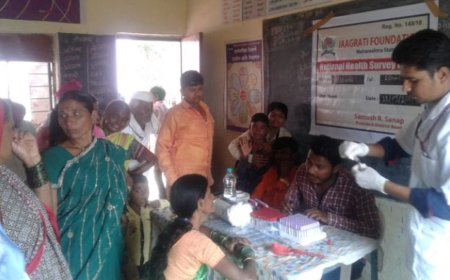
Expansion of facility-based and community testing has improved detection. Rapid tests and integrated screening programs (e.g., in antenatal clinics) are critical for early detection.
Antiretroviral Therapy (ART)
India’s ART program—the world’s largest public ART program—provides free ART at government centers. Kerala benefits from good ART coverage and retention rates relative to many other states.
Early initiation (test and treat) policies have reduced morbidity and mortality and lowered onward transmission.
Prevention of Mother-to-Child Transmission
Kerala’s integration of PMTCT into reproductive health services has contributed to low vertical transmission rates, supporting the state’s favorable child health indicators.
Challenges and Gaps
1. Youth-focused prevention: The rising incidence among young adults in Kerala underscores gaps in sexual health education, youth-friendly services, and harm reduction outreach.
2. Stigma and access: Despite social development, stigma remains a barrier to testing and disclosure—particularly among marginalized groups.
3. Heterogeneous epidemics: Aggregated state data can mask district-level hotspots that require microplanning and targeted interventions.
4. Sustaining funding and political attention: As national trends improve, there is a risk of program complacency; sustained investment is essential for elimination goals.
5. Data and surveillance quality: Continuous enhancement of surveillance—including molecular epidemiology where feasible—will help distinguish transmission dynamics from improved case detection.
Policy and Programmatic Recommendations
1. Strengthen youth-targeted interventions: Scale-up comprehensive sexual education, ensure widespread availability of condoms, and deploy youth-friendly testing and counseling services in colleges and community centers.
2. Micro‑planning at district level: Use granular data to identify hotspots and tailor interventions—mobile testing units, targeted IEC, and peer-led outreach.
3 Integrate HIV services with primary care: Improve early detection and linkage to care by integrating HIV screening into general outpatient and reproductive health services.
4. Stigma reduction campaigns: Community engagement with religious and community leaders, survivors’ networks, and media campaigns to normalize testing and treatment.
5. Sustain ART supply and retention: Strengthen ART delivery, adherence support, and systems for tracking retention and loss-to-follow-up.
6. Leverage digital tools: Use confidential digital platforms for appointment reminders, tele‑counseling, and anonymous risk-assessment tools for youth.
7. Surveillance modernization: Expand sentinel surveillance, periodic behavioural surveys in key populations, and explore molecular tools for transmission mapping where resources permit.
Clinical Implications for Practitioners
Maintain a high index of suspicion in symptomatic young adults and in patients with risk behaviours.
Offer routine HIV testing in appropriate clinical settings and ensure immediate linkage to ART when positive.
Counsel patients on prevention, partner notification, and provide access to prophylactic interventions (e.g., PEP/PrEP where indicated).
Recognize psychosocial needs: screen for depression, substance use, and provide referrals to support services.
Conclusion
India’s national HIV response demonstrates clear progress: fewer new infections, reduced mortality, and expanded access to life‑saving ART. However, the epidemic remains heterogeneous, with local hotspots and high‑risk populations requiring focused attention. Kerala presents a paradox—low overall prevalence yet a concerning rise in new infections among youth. Addressing this requires rapid, youth‑centred prevention, robust harm‑reduction strategies, micro‑targeted interventions, and sustained surveillance. Clinicians, policymakers, and communities must collaborate to translate national gains into equitable, durable control at the state and district levels.
Acknowledgments
I thank the patients, public health colleagues, and programme managers whose efforts contribute to India and Kerala’s ongoing response to HIV.
About the Author
Dr Muhammad Shibily Valeed, MD Consultant Microbiologist and public health practitioner with clinical and research interests in infectious diseases and programmatic control of HIV/TB. The author works on clinical diagnostics, surveillance, and capacity-building initiatives in South India.
Disclaimer: This press release is for general information purposes only and should not be construed as professional medical advice. Always consult a doctor before taking any decisions.