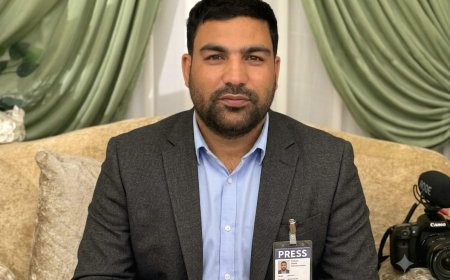
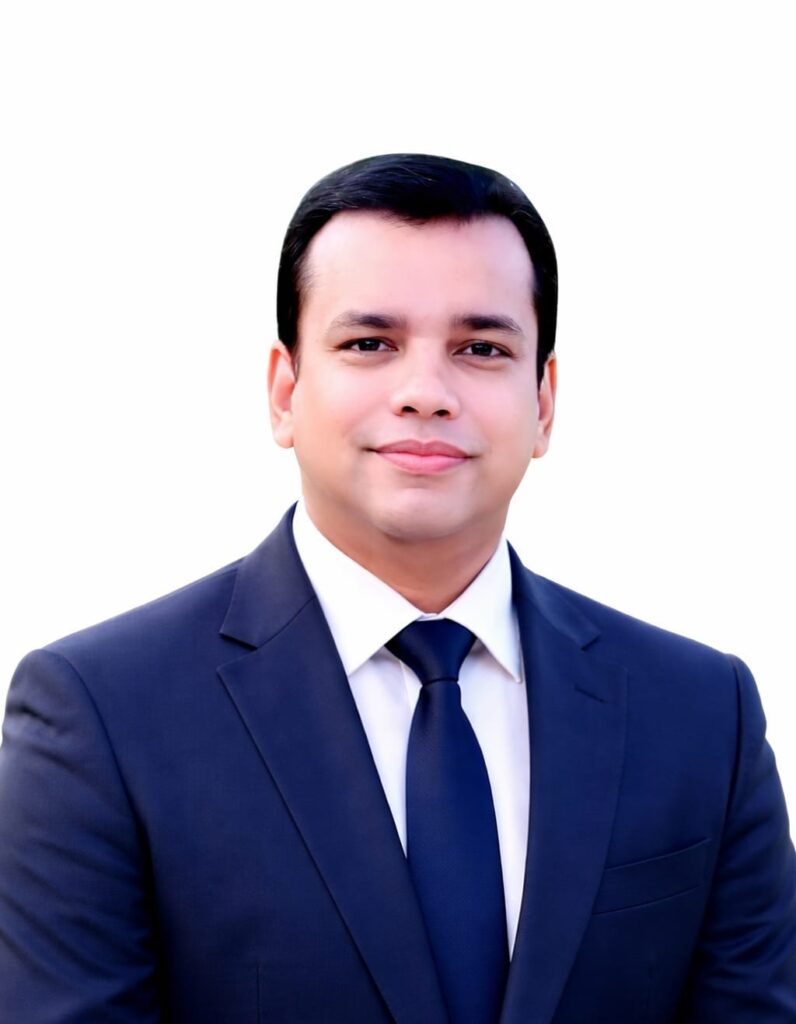
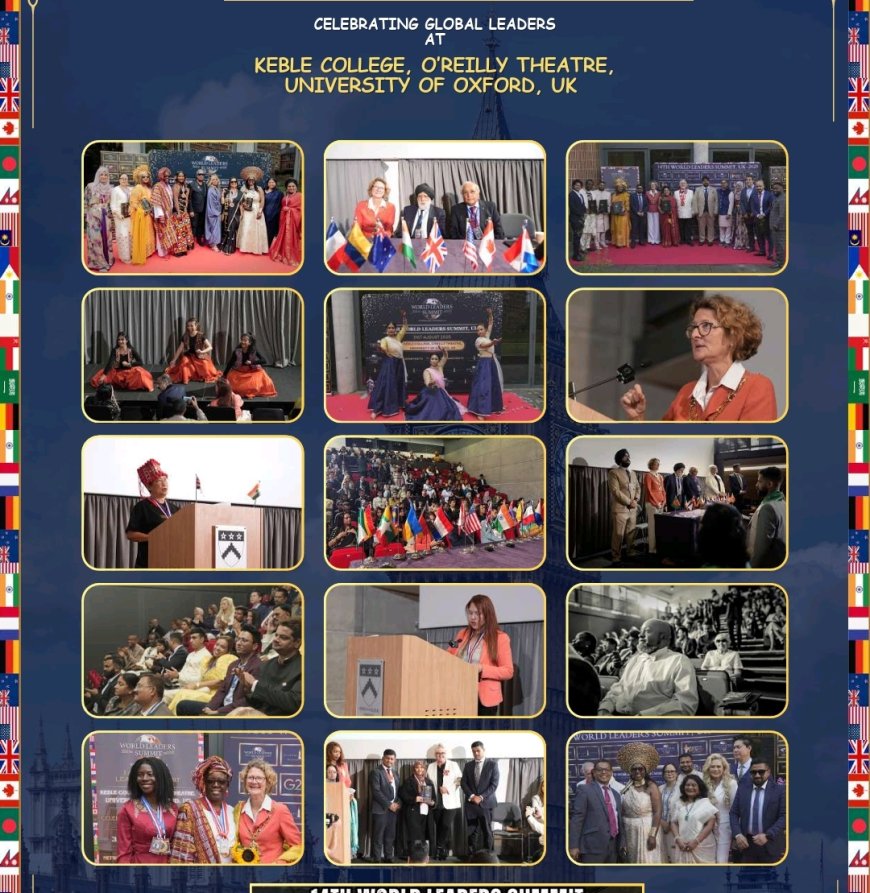
Darbhanga, Bihar — Academic journeys are often measured by milestones, but in the case of Dr. Shibendra Kumar, it is the consistency of effort that defines his rise. Rooted in Bihar’s academic landscape and shaped by years of dedicated teaching and research, his work has now gained international attention. On April 10, 2026, he was recognised at the 16th World Leaders Summit at University of Oxford, marking a significant moment in his evolving academic career.
The summit, held at Keble College under the theme “Celebrating Global Leaders,” brought together scholars, policymakers, and thought leaders from around the world. Although Dr. Kumar joined virtually from India, his recognition stood alongside global participants physically present at the historic institution. He received the “Global Excellence in Grassroots Education and Academic Research” award, an honour that reflects both scholarly depth and societal relevance.
Dr. Kumar’s academic journey began at Lalit Narayan Mithila University, followed by advanced studies at University of Delhi, where he completed his postgraduate education and doctoral research. His Ph.D. work, titled “Migration and Rural Economy of Bihar (1950–2000),” explores the long-term socio-economic implications of migration. Rather than treating migration purely as an economic phenomenon, his research highlights its social dimensions—examining how it reshapes families, labour systems, and rural development patterns.
Over time, Dr. Kumar has built a strong publication record, authoring more than a dozen research papers in reputed national and international journals. His writings, including studies on indentured labour and migration histories, reflect a deep engagement with both historical and contemporary issues. Papers such as “Indentured Labourers: Migration and Experience in Colonial India” and “Impact of Migration on Rural Labourers of Bihar” underline his focus on human experiences within larger structural changes.
Beyond publications, his academic presence is visible through active participation in conferences and seminars. He has presented research at over 35 national and international platforms, contributing to discussions on migration, gender, nationalism, and higher education. His presentation at the Indian History Congress was particularly noted for its focus on women’s experiences within migration narratives—an area often overlooked in mainstream scholarship.
Equally significant is his role as an educator within Bihar’s academic system. In classrooms that may lack extensive resources, Dr. Kumar emphasizes critical thinking and analytical engagement. His teaching approach encourages students to question established narratives and connect historical knowledge with present-day realities. This integration of teaching and research forms the core of his academic philosophy.
His commitment to professional growth is further reflected in his participation in Faculty Development Programmes (FDPs) and specialised training initiatives. Notably, he attended a programme at the Central Institute of Indian Languages, where he engaged with efforts to preserve traditional scripts such as Kaithi and Mithilakshar. Such initiatives highlight his understanding of knowledge as both global and rooted in local cultural contexts.
Dr. Kumar is also actively involved in academic mentorship and institutional collaboration. He is associated with the Social Research Foundation and contributes as a mentor with IMPARC, supporting emerging scholars in their research journeys. Through these roles, he promotes a collaborative academic environment that values shared learning and intellectual exchange.
The year 2026 has been particularly notable for him, bringing multiple recognitions across different domains, including research excellence, teaching innovation, and youth inspiration. Alongside the Oxford honour, these awards collectively acknowledge his multifaceted contributions to academia and education.
In addition to scholarly work, Dr. Kumar maintains an active presence in public discourse through his writing. His articles and editorials have been published in newspapers, where he addresses contemporary issues using a historical lens. His ability to connect academic research with current societal concerns has helped him reach a wider audience beyond academic circles. His growing recognition is also reflected in his feature in London Horizon Magazine, indicating increasing international interest in his work.
What distinguishes Dr. Kumar’s journey is not a single breakthrough moment but a steady accumulation of efforts—research publications, seminar participation, teaching innovation, FDP engagement, mentorship, awards, and media contributions. Each element contributes to a broader academic identity grounded in sincerity and long-term commitment.
As the World Leaders Summit concluded at Oxford, it symbolised more than just global recognition. It highlighted the importance of scholarship that remains connected to real-world contexts. Dr. Shibendra Kumar’s journey from Darbhanga to an international manch demonstrates that meaningful academic work, when pursued with dedication, can transcend geographical boundaries and resonate on a global scale.