We often talk about “gut feeling,” but what if your gut is doing a lot more - for your energy, immunity, mood, even your skin? In recent years, researchers have begun calling the gut microbiome the “second brain.” The trillions of microbes in your intestines don’t just passively live there - they interact with your body systems daily. But when the balance shifts, trouble begins. In India - with diets, stress, pollution, antibiotics, and lifestyle changes - gut health is under siege. Before symptoms like bloating or brain fog appear, here’s what every reader should understand - and what science-backed solutions bring to the table.
What Is Gut Health - Beyond Bloating
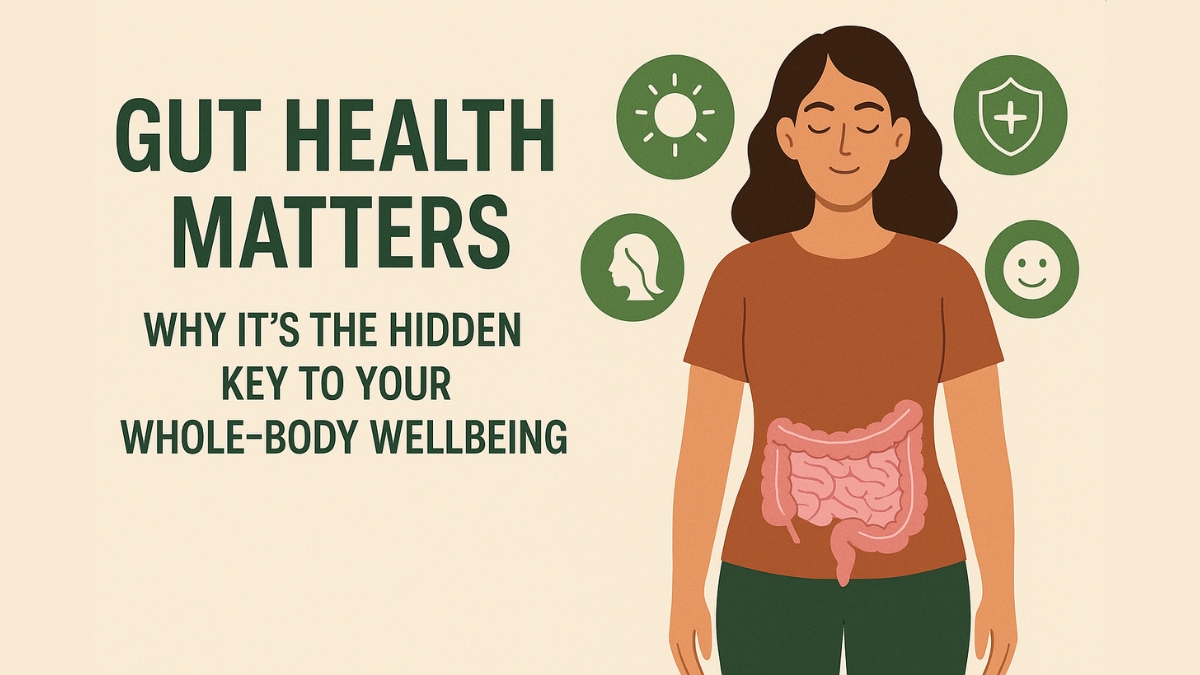
“Gut health” refers to the balance, diversity, and functionality of your gastrointestinal tract - the lining, motility, barrier, and microbial community (microbiome). A healthy gut not only digests and absorbs food, but also educates the immune system (70% of immunity resides in gut‑associated lymphoid tissue), produces key neurotransmitters (like ~90% of serotonin), and regulates inflammation.
When gut integrity is compromised (e.g. “leaky gut”), immune triggers can leak into circulation, triggering systemic inflammation. Microbiome dysbiosis (loss of beneficial strains, overgrowth of harmful ones) can disturb digestion, nutrient absorption, mucosal health, and even mood/sleep patterns.
Environmental toxins/pollutants: Pesticide residues, plastics, heavy metals - some evidence links these to microbiome disruption.
Sanitation/hygiene paradox: Over-sanitisation (sterile environments) reduces microbial exposure, which can impair immune–microbiome training in early life.
Because of all this, conditions like IBS (Irritable Bowel Syndrome), SIBO, food sensitivities, and low‑grade inflammation are becoming more common in urban Indian populations.
Symptoms You Shouldn’t Ignore
If you experience any of these - don’t just dismiss them:
These can often be traced to gut dysfunction long before more serious disease sets in.
Science‑Backed Interventions That Actually Move the Needle
Here are the pillars of gut restoration, backed by evidence:
Diet diversity + prebiotic fiber Long-term studies show that higher intake of plant fiber (soluble, insoluble) increases microbial diversity and SCFA (short‑chain fatty acids) production - which feed colon cells and reduce inflammation.
Targeted probiotics + live cultures Certain strains (e.g. Lactobacillus, Bifidobacterium) have been shown to improve IBS, reduce bloating, and tighten gut barrier. But generic probiotics are hit-or-miss - you need strains with clinical backing, correct dosages, and viability.
Postbiotics / microbial metabolites support Even dead microbes or metabolites (e.g. butyrate, polyphenol derivatives) can modulate immune signals and strengthen barrier.
Lifestyle reset Sleep ≥7 hours, stress reduction (breathing, yoga, meditation), limiting NSAIDs and excess alcohol, and physical activity all support gut health.
Personalized / root-cause strategy Instead of a one-size-fits-all “detox” or “gut-cleanse,” you need diagnostics (stool tests, GI panels) and tailored interventions based on your gut map.
Why Mool Health Stands Out
That’s where Mool Health comes in. Rather than offering generic fixes, Mool deploys a root cause science framework: a digestive health engine that assesses your unique gut microbiome, inflammation markers, digestion & absorption status, and uses AI + gut science to prescribe a precision protocol (diet, therapeutics, microbiome support). What makes Mool different:
Focus on mechanism-driven correction (e.g. barrier repair, immune rebalancing)
Continuous “adjust & measure” model rather than fixed packages
India‑centric research on diet, gut strains, and environmental exposures
If your gut is your health’s foundation, Mool is an intelligent partner in rebuilding that foundation.
Gut health isn't a fad - it's central to how your body functions every day. Especially in India’s evolving lifestyle, ignoring gut imbalance is ignoring the root of many chronic issues. If you start early - with diagnostics, targeted support, and a scientific approach - you can reverse damage rather than just mask symptoms. For those wanting a smarter, data-driven path, Mool Health offers a credible, evidence-forward solution to reclaim gut balance and overall vitality.