














































How Regional News Portals Are Powering India’s Next Digital Media Wave
B
Business
LATEST NEWS

“How Regional News Portals Are Powering India’s Next Digital Media Wave”

Read more on
hindustanmetro.com
13 Jun 2025

India’s digital media landscape has seen an explosive shift in the past decade, with regional content leading the charge. As internet penetration deepens across tier-2 and tier-3 cities, local news platforms are no longer playing catch-up — they are setting the agenda.


One such example is the rise of city-centric portals that cater to hyper-local news, culture, and civic updates. These platforms not only offer real-time coverage of ground-level events but also play a pivotal role in shaping narratives around regional development, education, entrepreneurship, and social issues.

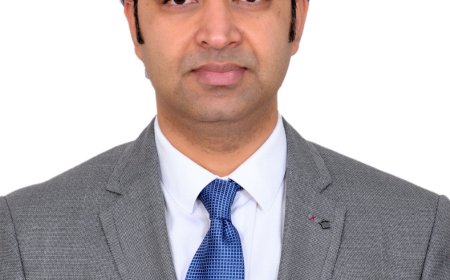
Shivam Madaan
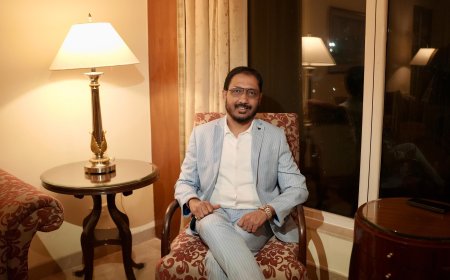
Shivam Madaan is the Founder and Editor of Hindustan Metro and Orvox News. Committed to unbiased and impactful journalism, he is dedicated to amplifying the voice of the people and delivering news that truly matters. His vision is to provide accurate, credible, and trustworthy information, ensuring journalism that informs, empowers, and serves the public interest