ARULA for Autism: Empowering Parents as Therapists
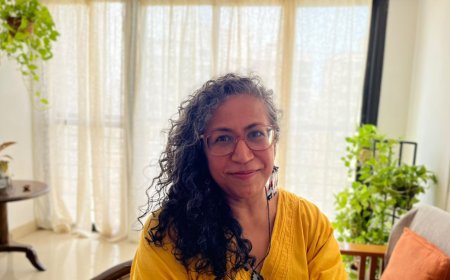
ARULA is revolutionizing autism therapy by making every home a developmental hub. Spearheaded by global Speech and Language Therapist Ms. Mayuri Ramdasi, ARULA empowers parents—especially mothers—to become their child's primary therapists. With over 23 years of expertise and personal experience raising a daughter on the spectrum, Mayuri developed ARULA to replace clinic-based interventions with home-based therapies integrated into daily life.
ARULA focuses on creating an environment where learning is natural, stress-free, and tailored to the child’s individual needs. Unlike traditional therapy centers that may require extensive travel and adjustments to new settings, ARULA ensures that children receive consistent, comfortable, and structured interventions in familiar surroundings. This not only enhances learning but also strengthens the parent-child bond, fostering emotional security and trust.
Transformative Success Stories
Purab Sharma: From Pointing to Speaking
Six-year-old Purab from Madhya Pradesh struggled with speech, listening skills, and concentration, which affected his education. His mother recalls how he only used gestures to communicate and was unable to express himself verbally. Within three months of ARULA’s intervention, Purab developed meaningful speech, excelled academically, and displayed creative talents like singing and dancing. His progress underscores ARULA’s impact in regions lacking specialized autism services, demonstrating that timely intervention in a home-based setting can lead to remarkable improvements.
Gandhar Langi: Overcoming Severe Challenges
At 11, Gandhar faced severe autism symptoms, including hypotonia, low energy levels, and dependence on diapers. He struggled with basic motor skills, self-care, and emotional regulation. With ARULA’s structured guidance, he gradually gained toilet independence, developed the ability to cycle and play, and formed meaningful connections with his family. His mother noticed a significant improvement in his mood, attention span, and ability to participate in daily activities. The familiar home setting minimized stress and maximized learning, proving that progress is possible even in severe cases.
The ARULA Difference: Why Home-Based Therapy Works
Natural Learning Environment – Skills are practiced in real-life settings, eliminating clinic-to-home transfer gaps and allowing children to apply their learning seamlessly.
Whole-Family Approach – Parents, especially mothers, are trained as primary therapists, ensuring techniques are implemented consistently throughout the day rather than limited to therapy hours.
Geographical Accessibility – Families in underserved areas can access specialized intervention without the need for relocation or extensive travel.
Therapy as a Lifestyle – Everyday activities such as eating, playing, and dressing become therapy opportunities, accelerating skill acquisition and fostering independence.
Parental Empowerment – By equipping parents with knowledge and practical tools, ARULA transforms them into confident caregivers who can secure promising results for their children.
The Future of ARULA
By making therapy accessible, structured, and mother-led, ARULA is reshaping the landscape of autism intervention. This approach is not just about developmental milestones; it is about creating a lifelong support system within the home. These success stories prove that with early, structured, and consistent support, children with autism can thrive at home—offering families not just hope, but tangible progress and a pathway to independence.