









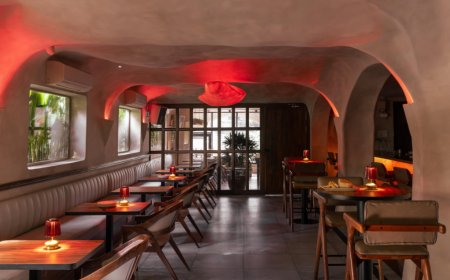











Pune, India, July 22, 2025: A restaurant I loved near my home recently shut down. It wasn’t due to a lack of customers or poor quality—it simply couldn’t keep up with the rising rent.

This isn’t an isolated case. Across Pune, many long-standing establishments—especially restaurants—are under pressure from commercial rentals that outpace their margins.
The real estate industry has a role to play here. There is scope to move beyond fixed high-rent expectations and adopt more resilient, collaborative models. Revenue-linked rentals, staggered increases based on business cycles, or long-term lease structures that allow for stability in the early years can help businesses find their footing.
Additionally, mixed-use developments should thoughtfully plan for anchor tenants who add cultural and social value to a space—not just economic value. A well-run restaurant or café is often the heartbeat of a neighbourhood, bringing footfall and familiarity that benefit the entire ecosystem.
None of this means compromising on returns. On the contrary, a vibrant, occupied commercial space holds more value than one with high turnover and constant vacancies.
As Pune evolves, our real estate approach must mature with it—encouraging growth, yes, but also ensuring the city’s human fabric remains intact.
To know more about sustainable and ethical real-estate development in Pune, connect with, http://linkedin.com/in/amol-ravetkar