When it comes to wine, what’s outside the bottle can be just as important as what’s inside. The label on a wine bottle is more than just a piece of branding. It’s a story, a tool for communication, and in many cases, the deciding factor for a potential buyer. For bulk and private label wine sellers, getting the label just right can mean the difference between catching the consumer’s eye or being overlooked on a crowded shelf.
Wine labels are powerful marketing tools. They communicate the quality, origin, and personality of the wine while appealing directly to customers’ emotions. Whether a wine drinker is choosing a bottle for a formal dinner, a casual picnic, or as a heartfelt gift, the label helps them decide which story resonates most with their needs.
For private label and bulk wine sellers, the stakes are even higher. Your label design must not only stand out against a sea of competitors but also align with the broader branding strategy of your product.
Here’s what goes into crafting the perfect wine bottle label, blending artistry with functionality.
The Key Elements of an Effective Wine Label
1. Design Aesthetics
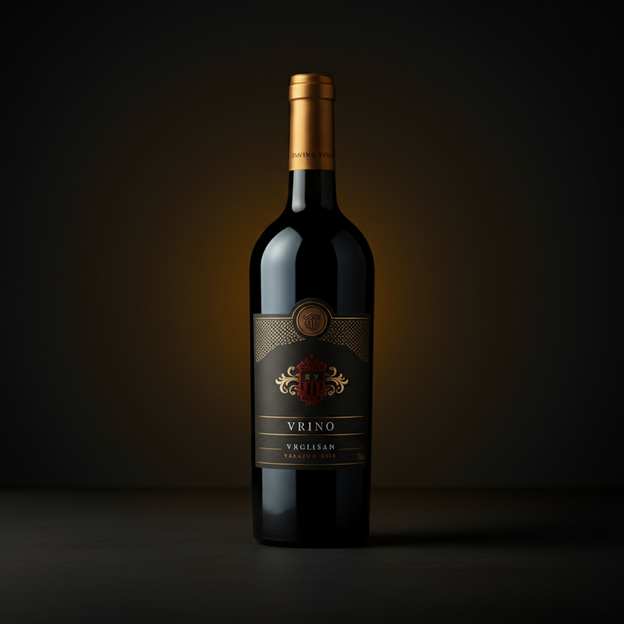
The visual appeal of your label can be a game-changer. Premium wine labels boast minimalist, elegant designs, while more affordable options can use bold colours and playful typography to signal fun and approachability. Ask yourself:
- What mood or impression does your wine evoke?
- What colour palette aligns with that feeling?
Beyond creativity, remember to prioritise readability; no customer wants to strain their eyes trying to decipher your font. Think about the overall experience the label creates when the wine bottle is picked up.
2. Telling a Story
Every wine tells a story. Perhaps it’s made from handpicked grapes in an idyllic Mediterranean vineyard. Or maybe it’s a no-nonsense, budget-friendly table wine ideal for gatherings. Your label should reflect the wine’s unique story authentically.
The name of the wine itself, the brief description, and even imagery or design cues can work together to tell this tale, enticing buyers emotionally as well as practically.
3. Regulatory Compliance and Practical Details
It’s easy to overlook the technical requirements of liquor bottle labels in favour of a stunning design. However, compliance is crucial. Depending on your region’s regulations, you’ll need to include:
- The alcohol content percentage
- Net volume (e.g., 750ml)
- Standard drinks information (if applicable)
- Country of origin
- Barcodes or QR codes for logistics purposes
Make sure these details don’t clash with your artistic vision. They should feel like a seamless part of the overall design.
4. Durability
Bulk wine labels, or private label wine sold to partners, often need to withstand various conditions—including refrigeration, moisture, and handling. Testing your label materials for durability is critical. Whether you’re using Avery Labels or custom-designed alternatives, ensure that they maintain their quality throughout your customers' experience.
Designing Labels for Bulk and Private Label Sellers
If you’re selling bulk or private label wine, your approach to wine label design needs to be adaptable. Here’s how to optimise for both scenarios:
Bulk Wine Labelling
For bulk wine logged for commercial resale, your label must perform in varied environments and appeal broadly across different customer groups. These labels work harder to meet regulatory requirements since distributors and retailers often demand exact compliance to legal standards.
Private Labels for Wine
Private labels for wine give sellers the unique opportunity to create something personal and distinctive. Your label should reflect the brand personality of the business selling it while amplifying the unique qualities of the wine. Collaboration between designers, wine producers, and brand managers becomes crucial here.
Trends in Wine Label Design
Stay ahead of the competition by tapping into some growing trends in wine labels:
- Sustainability: Eco-conscious buyers appreciate packaging made from recycled paper or biodegradable materials.
- Minimalism: Clean, simple designs with ample white space exude a premium feel.
- Interactive Features: QR codes linking to winery tours, tasting guides, or vineyard stories make for an engaging customer experience.
- Textured Labels: Embossing or textured finishes evoke a tactile sense of luxury.
Bringing It All Together
Wine labels blend art with science, helping transform your product from just another bottle on the shelf to one that truly resonates with customers. Whether your goal is to celebrate origin, convey sophistication, or simply stand out, every element—from visuals to regulatory details to durability—matters.
For bulk and private label sellers, finding the balance between creativity and practicality is key. By focusing on design, storytelling, and legal requirements, your labels can elevate not only your product but your brand.
Looking to take your wine labelling to the next level? Explore tools and customisation options like Avery Labels, or partner with a professional label design team for an approach that works seamlessly with your brand. Remember, the right wine bottle label can be the very detail that transforms casual interest into a loyal customer.